 Why 24/7 Cybersecurity Monitoring Matters During Holiday Weekends
The office is quiet.
The phones have stopped ringing. Employees are heading out for a long weekend. The grill is heating up, vacation plans are underway, and business operations seem to be running smoothly.
Unfortunately, cybercriminals see holiday weekends very differently.
While business owners and employees are enjoying time away, attackers are often increasing their activity. In fact, many cyberattacks are deliberately timed to occur during weekends, holidays, and other periods when businesses are operating with reduced staffing.
This is exactly why 24/7 cybersecurity monitoring has become one of the most important investments a small or midsized business can make.
The reality is simple: your business may be closed for the holiday, but cybercriminals never take time off.
Why Holiday Weekends Are So Attractive to Attackers
Cybercriminals are strategic. They look for opportunities where they can maximize damage while minimizing the chances of being detected.
Long weekends create the perfect environment.
According to research from Semperis, more than half of organizations that experienced ransomware attacks reported that the incident occurred during a weekend or holiday period. Attackers understand that fewer employees are working, decision-makers may be unavailable, and security alerts are less likely to receive immediate attention.
Many small and midsized businesses unknowingly create additional risk leading up to a holiday weekend:
- Employees share credentials to help coworkers complete projects.
- Temporary vendor access remains active longer than necessary.
- Open sessions stay logged in.
- Devices are left unattended.
- Security reviews are postponed until after the holiday.
None of these actions feel particularly dangerous in the moment. However, together they create a larger attack surface that cybercriminals can exploit.
When nobody is watching, even a small security gap can quickly become a major business problem.
For additional guidance on protecting your business from ransomware, the Cybersecurity and Infrastructure Security Agency (CISA) provides valuable resources and best practices.
The Hidden Risk Most Businesses Overlook
Many business owners assume they have protection because they have an IT provider they can call if something goes wrong.
While responsive IT support is important, there is a significant difference between reacting to a problem and actively watching for one.
Imagine a cybercriminal gains access to your network at 11:00 PM on Saturday night.
Would anyone know?
Would anyone receive an alert?
Would anyone investigate suspicious activity before damage occurs?
For many businesses, the answer is no.
Instead, the attack remains unnoticed until employees return to work Tuesday morning and discover:
- Files have been encrypted.
- Email accounts have been compromised.
- Sensitive client information has been accessed.
- Critical systems are unavailable.
At that point, recovery becomes significantly more expensive and disruptive.
The problem isn’t necessarily a lack of technology. The problem is a lack of visibility.
Without 24/7 cybersecurity monitoring, businesses often don’t discover an attack until long after it has started.
Cybercriminals Are Working Around the Clock
One of the biggest misconceptions about cybersecurity is that attackers are simply waiting for opportunities to appear.
The truth is much more concerning.
Modern cybercriminal organizations operate like businesses.
They conduct research.
They scan networks.
They identify vulnerabilities.
They test login portals.
They gather employee information from public sources.
They look for businesses that appear vulnerable.
Then they wait for the right moment.
Holiday weekends often provide that moment.
While your team is offline, attackers are actively searching for ways to gain access, move laterally through networks, elevate privileges, and deploy ransomware or steal sensitive information.
This is why relying solely on traditional security tools is no longer enough.
Firewalls, antivirus software, and spam filtering are important components of a security strategy, but they cannot replace human oversight and continuous monitoring.
What Effective 24/7 Cybersecurity Monitoring Looks Like
The goal of 24/7 cybersecurity monitoring is not simply to collect alerts.
The goal is to identify threats before they become business disruptions.
A properly monitored environment continuously watches for:
- Unusual login activity
- Unauthorized access attempts
- Suspicious file transfers
- Privilege escalation events
- Malware indicators
- Ransomware behavior
- Network anomalies
- Compromised user accounts
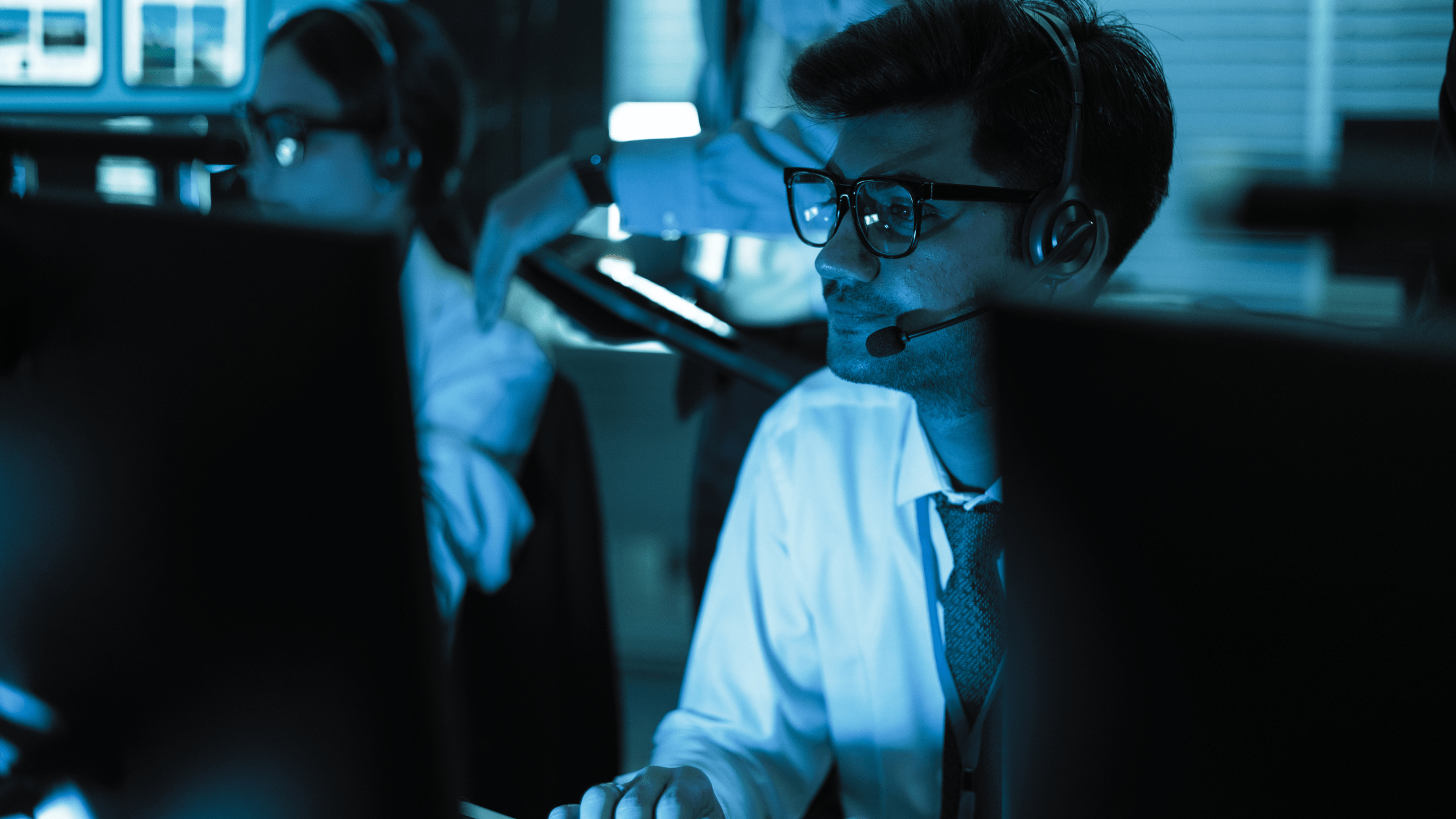
When suspicious activity occurs, trained security professionals can investigate and respond immediately.
Instead of discovering a breach days later, businesses gain the opportunity to contain threats while they are still manageable.
This proactive approach dramatically reduces the likelihood of extended downtime, data loss, regulatory issues, and financial damage.
For organizations in industries such as accounting, legal services, healthcare, manufacturing, local government, and professional services, continuous monitoring is becoming an essential part of risk management rather than an optional enhancement.
Preparing Before the Next Holiday Weekend
Strong cybersecurity starts before employees leave the office.
Before any long weekend, businesses should review several key areas:
Access Controls
Verify that former employees, contractors, and temporary vendors no longer have access to systems they don’t need.
Multifactor Authentication
Ensure multifactor authentication is enabled wherever possible, especially for email, VPNs, and cloud applications.
Patch Management
Confirm that critical software and security updates have been applied.
Data Backup Verification
Test backups regularly and verify that recovery processes work as expected.
Security Monitoring
Most importantly, confirm that someone is actively monitoring your environment while your team is away.
The businesses that recover quickly from cyber incidents are usually the ones that planned ahead—not the ones scrambling to respond after the damage is done.
Security Is Tested When Nobody Is Looking
Many organizations believe they are secure because they haven’t experienced a major cyberattack.
However, cybersecurity isn’t truly tested during normal business hours.
It’s tested when the office is empty.
It’s tested at midnight on a Saturday.
It’s tested during a holiday weekend when nobody is actively checking email.
That’s when attackers expect businesses to be vulnerable.
If your organization already has continuous monitoring and a dedicated team watching your systems, you’re ahead of many businesses.
If your cybersecurity strategy relies on waiting for something to break before taking action, now is the time to rethink that approach.
The next holiday weekend may be an opportunity for relaxation and family time—but it shouldn’t be an opportunity for cybercriminals.
To learn how your business can strengthen its security posture, schedule a free analysis here: Free IT Analysis.
Because attackers aren’t waiting for weaknesses.
They’re waiting for silence.