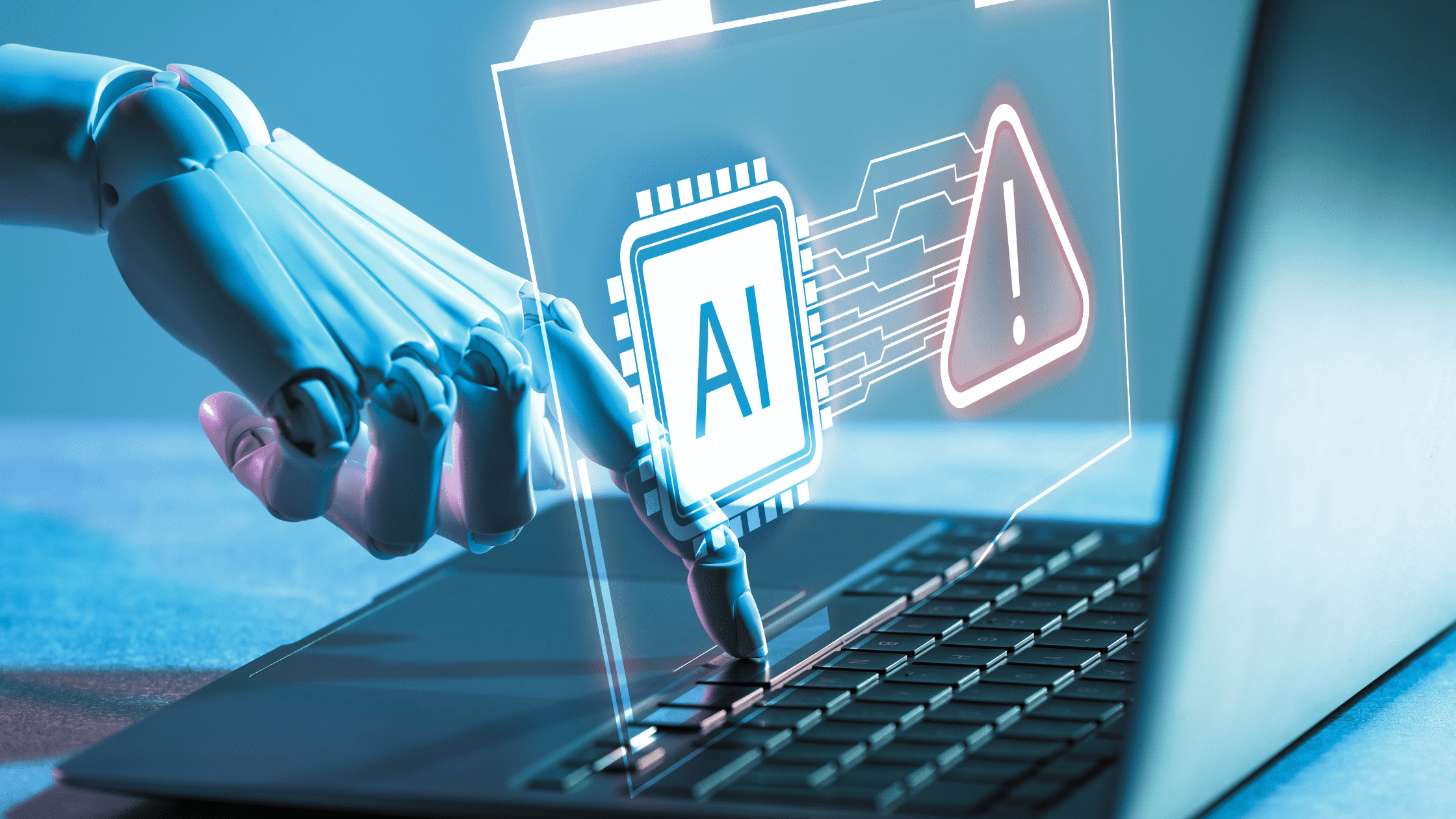
 Artificial intelligence (AI) is transforming the way businesses work. Tools like ChatGPT, Google Gemini, and Microsoft Copilot are helping companies respond faster, write smarter, and save time. But while AI can be a productivity booster, it also introduces a new cybersecurity risk that too many small businesses are ignoring.
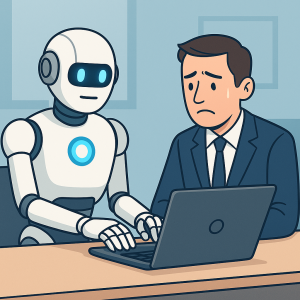
The keyword here is: “training AI how to hack you.” That’s exactly what happens when employees unknowingly paste sensitive data into public AI tools—or when hackers manipulate AI to expose information.
The Hidden Risk of Public AI
The danger doesn’t come from AI itself. It comes from how employees use it. Copying and pasting private data into public AI platforms can expose sensitive information. These platforms often store user input, which can be analyzed or even used to train future models.
That means your business could be training AI how to hack you—without even realizing it.
This isn’t just theory. In 2023, engineers at Samsung accidentally leaked internal source code into ChatGPT. The risk became so serious that Samsung banned the use of public AI tools altogether. If a tech giant can make this mistake, small businesses are just as vulnerable.
Now imagine this scenario: an employee at your company pastes client financial records or patient data into an AI tool to “get a quick summary.” Within seconds, confidential information is out of your control.
A New Type of Attack: Prompt Injection
AI brings another growing threat—prompt injection. Hackers now hide malicious instructions inside files like PDFs, emails, or even YouTube captions. When an AI tool processes the content, it can be tricked into revealing sensitive data or performing unauthorized actions.
In other words, the AI itself becomes a weapon, assisting the hacker without knowing it. For small businesses that rely on AI but don’t monitor how it’s used, this risk is especially concerning.
Why Small Businesses Are at Greater Risk
Many small businesses don’t have formal AI usage policies. Employees often adopt tools like ChatGPT on their own, assuming they’re as safe as a Google search. But unlike a search engine, AI platforms may store and reuse data, making confidential information vulnerable.
Add in the fact that most small companies don’t actively monitor AI use—and you have a perfect recipe for a data breach, compliance violation, or even financial loss.
Without safeguards, your employees may be unintentionally training AI how to hack you.
4 Steps to Protect Your Business from AI Risks
You don’t have to ban AI entirely. Instead, you need to take control and set boundaries. Here are four key steps:
1. Create an AI Usage Policy
Define which AI tools are approved, what types of data must never be shared, and where employees can go with questions. Having clear guidelines reduces the risk of accidental misuse.
2. Educate Your Employees
Most staff don’t understand the risks of public AI tools or threats like prompt injection. Provide training that highlights real-world examples and teaches safe practices.
3. Use Business-Grade AI Tools
Stick to secure platforms designed for business, like Microsoft Copilot, which integrates with Microsoft 365 and offers stronger privacy controls. This is especially important for industries that handle regulated data, such as healthcare or finance.
For more information on Microsoft’s approach to responsible AI, check out Microsoft’s official resource.
4. Monitor and Control AI Usage
Track which AI tools are being used across your organization. Consider blocking public AI platforms on company networks and devices. Proactive monitoring ensures employees don’t accidentally expose sensitive data.
The Bottom Line
AI is here to stay, and businesses that learn to use it safely will gain a competitive edge. But ignoring the risks means leaving your data, your customers, and your reputation exposed.
Every careless keystroke could be training AI how to hack you.
At Iler Networking & Computing, we help small businesses develop practical, secure AI usage policies and deploy the right tools to keep data safe. Don’t wait for a data breach to learn the hard way.
Schedule your free IT security assessment today to ensure your AI usage is protecting—not exposing—your business.