 Protect Your Business from Identity-Based Cyber Attacks: How Hackers Are Logging In, Not Breaking In
Cybercriminals are changing their playbook. Rather than smashing through firewalls or exploiting technical weaknesses, they’re slipping in quietly—using your employees’ stolen login credentials. These identity-based cyber attacks are now the top method hackers use to breach small businesses, and they’re hitting harder and more often than ever before.
As a business owner, you may think your company is under the radar. But in 2024 alone, identity-based cyber attacks accounted for a shocking 67% of major security breaches, according to a report by CrowdStrike. This isn’t just a big-business problem. If corporations like MGM and Caesars can fall victim, small and midsize businesses—especially those with fewer security resources—are even more vulnerable.
So, how are these hackers getting in? More importantly, how can you stop them before it’s too late?
What Is an Identity-Based Cyber Attack?
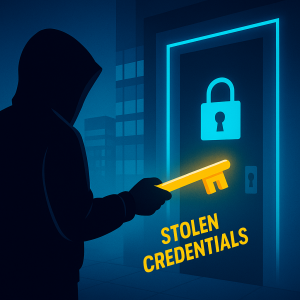
An identity-based cyber attack is when a hacker gains access to your systems by pretending to be a legitimate user. Instead of “breaking in,” they simply log in—using real usernames and passwords they’ve stolen through phishing, data leaks, or social engineering tactics.
Common techniques include:
-
Phishing emails that trick employees into clicking fake login links
-
SIM swapping to hijack text-based two-factor authentication (2FA)
-
MFA fatigue attacks that flood users with push notifications until someone hits “approve”
-
Compromising third-party vendors like your help desk or call center
-
Targeting personal devices used by remote employees
These tactics bypass many traditional security systems because the login looks legitimate. That’s why identity-based cyber attacks are so dangerous—and so effective.
Why Your Small Business Is at Risk
Many small business owners assume that hackers only go after big targets. That’s a dangerous myth. Cybercriminals know smaller companies often lack dedicated IT teams, security protocols, or employee training—making them easy targets.
Think about it: Your team likely uses dozens of cloud apps and online tools. If even one employee reuses a password that was leaked in a previous breach, your entire network could be compromised.
And if your business handles sensitive customer data—like credit cards, medical info, or financial records—you’re not just at risk for downtime or data loss. You’re staring down potential lawsuits, regulatory fines, and a serious hit to your reputation.
For more information on how we help small businesses strengthen their cybersecurity posture, check out our Managed Security Services page.
5 Ways to Protect Your Business from Identity-Based Cyber Attacks
The good news? You don’t need a massive IT budget or fancy tech to keep your business secure. These five practical steps can dramatically reduce your risk:
1. Enable Strong Multifactor Authentication (MFA)
Use app-based MFA (like Microsoft Authenticator or Duo) or hardware security keys instead of SMS codes, which are vulnerable to SIM swap attacks.
2. Train Your Employees
Your staff is the first line of defense. Regularly train them to spot phishing emails, fake login pages, and social engineering attempts. Make it easy to report suspicious messages.
3. Limit User Permissions
Follow the principle of least privilege. Give each user access only to the data and tools they need. This way, if an account is compromised, the damage is contained.
4. Adopt a Password Manager or Go Passwordless
Encourage the use of secure password managers—or even better, adopt passwordless authentication using biometrics or security tokens.
5. Monitor for Compromised Credentials
Work with a trusted IT partner to monitor the dark web for leaked employee credentials tied to your domain. Catching exposed logins early can prevent a disaster.
You Don’t Have to Handle This Alone
Hackers are adapting fast—and relying on your team to slip up just once. That’s why partnering with a cybersecurity-focused IT provider is one of the smartest moves you can make.
At Iler Networking & Computing, we specialize in protecting small and midsize businesses from identity-based cyber attacks and other modern threats. Our proactive approach means fewer disruptions, stronger defenses, and a safer future for your company.
Ready to See Where You Stand?
If you’re not sure how secure your systems really are, let’s fix that. We offer quick, no-pressure assessments to identify gaps in your security and give you a roadmap for protecting your business.
Book your discovery call today.
Don’t wait until a hacker logs in with your credentials. Let’s lock the door before they even try.