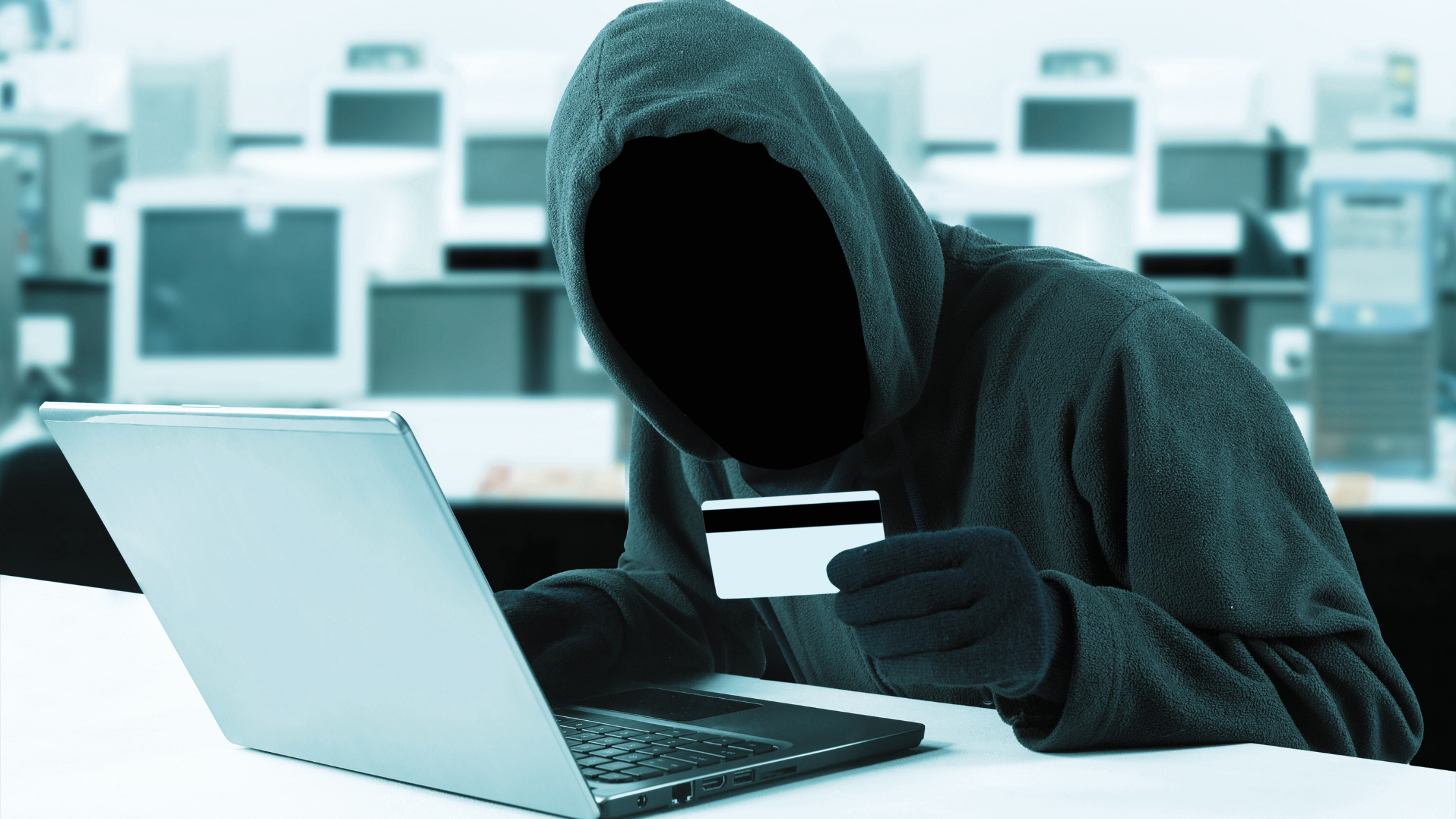
 Summer is prime time for vacations, but if you’re planning any last-minute travel, there’s a scam making the rounds that you need to know about. With rising costs across the board, it’s tempting to search for the best travel deals online. Unfortunately, cybercriminals are exploiting this by using sophisticated AI-generated phishing emails that look convincingly legitimate and could end up costing you far more than your travel budget. In fact, according to Booking.com, there’s been a staggering 500% to 900% increase in travel-related scams over the last 18 months.
How Are Cybercriminals Using AI to Scam You?
Phishing emails have been around for decades, but AI tools, like ChatGPT, are now enabling scammers to create highly polished, professional-looking emails that are much harder to spot. Gone are the days when these scams were littered with typos and obvious mistakes. Now, with AI, scammers can generate dozens of flawless emails that easily slip past basic detection software—and worse, fool even the most careful readers.
Here’s how it works:
Scammers use well-known platforms like Booking.com or Airbnb to list fake rental properties. They send out emails offering irresistible rates or time-sensitive deals on these bogus listings. Once someone pays, the cybercriminals either vanish with the money, leaving the victim stranded without accommodation, or they continue sending follow-up emails to extract additional “fees” before disappearing for good.
Although vacation-related phishing scams aren’t new, the use of AI is making these scams far more convincing—and unfortunately, more people are falling victim to them.
What Can You Do to Stay Safe?
If you’re planning to book a getaway, here are some essential steps you can take to protect yourself from these increasingly sophisticated scams:
-
Enable Two-Factor or Multifactor Authentication (2FA/MFA): Adding an extra layer of security with a confirmation code sent to your phone can help prevent phishing attacks and unauthorized access to your accounts.
-
Be Wary of Clicking Links in Emails: If an email promotes an unbelievable deal, it’s likely a scam. Instead of clicking the link, visit the website directly and search for the offer. If you can’t find it, it’s a red flag.
-
Verify Before Booking: Always check for contact information and read reviews before booking any property online. Have other verified users stayed at the location? Properties with established reviews are less likely to be scams.
-
Use Credit Cards for Online Purchases: Avoid using debit cards for travel bookings. Debit cards are directly linked to your bank account, and if fraud occurs, it can be challenging to recover your money. Credit cards offer an added layer of protection and are easier to dispute in cases of fraud.
The key to staying safe is vigilance. Review every email carefully and stick to cybersecurity best practices. While security software can help detect some scams, it won’t catch everything—so it’s important to remain cautious and stay alert for potential red flags.
While a personal scam can ruin your vacation, a business breach could devastate your livelihood. At Iler Networking and Computing, we specialize in helping businesses like yours stay secure from evolving cyber threats. Give us a call at 440-322-4537 or click here to schedule a FREE 10-minute discovery call with our cybersecurity experts. We’ll work with you to create a security plan that keeps your data and network safe.
Enjoy your well-deserved break this summer—and remember, staying cybersmart is the best way to truly relax!